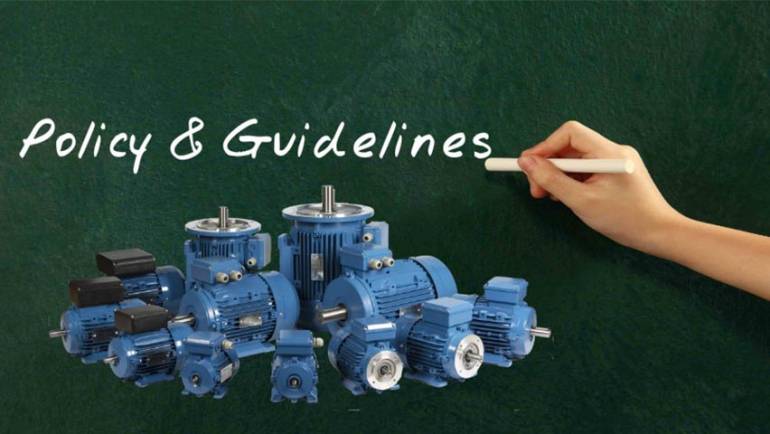
Previous posts discussed why you need a motor management plan and listed the various steps involved – inventorying your motors, establishing a motor failure policy, motor purchasing policy, creating repair guidelines, and right-sizing your...
Read moreRight size your maintenance program
Many motor maintenance programs have prescriptive schedules that govern motor maintenance; for example, NEMA recommends inspecting, cleaning, and lubricating your motors every three months or 1,500 run-hours.[1] In reality, your motors’...
Read moreEstablishing motor repair guidelines
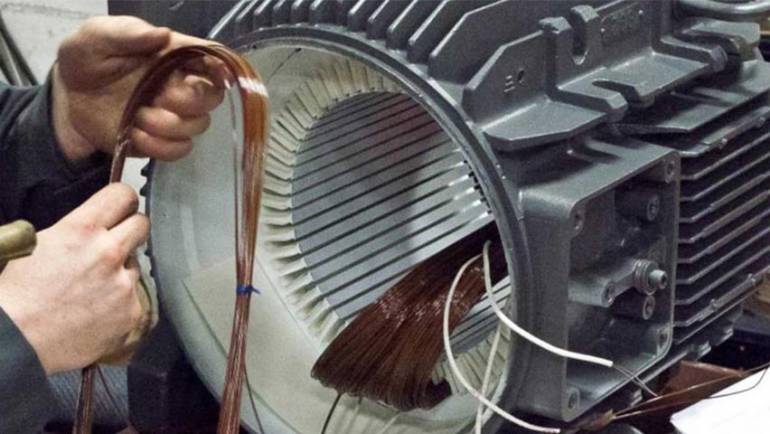
Let’s face it — there is no way to justify replacing all of your failed motors. Repairing the motor will be the best option for at least a few of your motors. So what’s next? Studies show that motor efficiency drops 1% to 5% on the first repair...
Read moreDeveloping your motor purchase policy
Perhaps you’ve decided to replace your failed motor with a new one rather than repair it. Or maybe you’re looking to buy new equipment for an expansion, or opting to retire a motor before fails. What’s your plan for selecting the right motor? A...
Read more